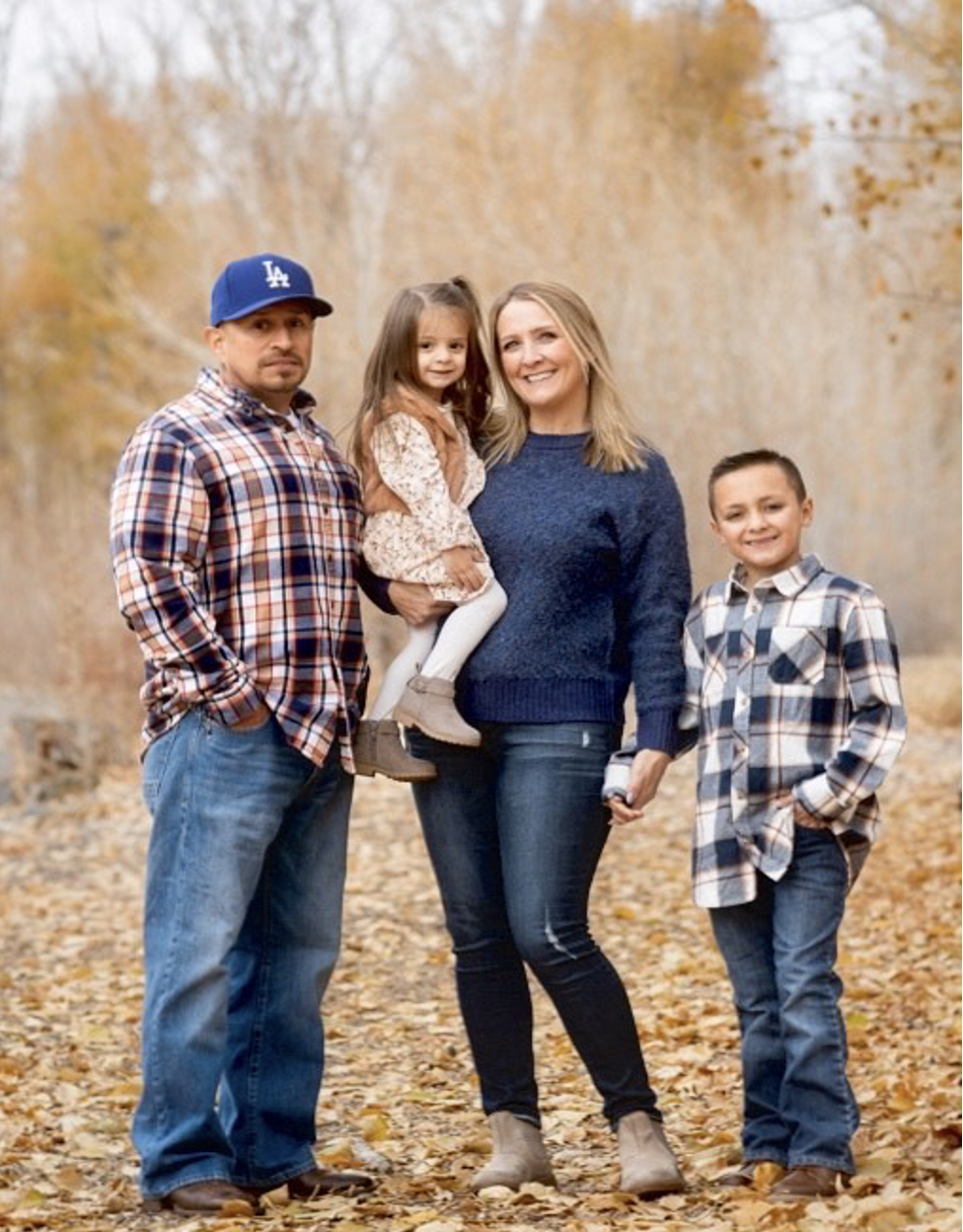
“Please don’t let this program fade away.
Treatment is what saved me.”
– Thalia
Speaker: Kim Hayes, Executive Director, Carbonate Recovery Center
 Good evening, and thank you for the opportunity to speak with you today.
Before I introduce myself, I’d like to begin by telling you about someone named Thalia.
If you met Thalia today, you would see a woman who loves her children, values her recovery, and is genuinely grateful for her life. You would probably never imagine the road that brought her here.
Her story began on a small island in the Pacific Northwest. She remembers living in a beautiful place and being happy outside the home. Later, her family moved to another beautiful place, Sun Valley, Idaho. By all appearances, it was a beautiful childhood.
But as Thalia tells it, “Inside the house was a different story.”
Behind closed doors, alcoholism shaped daily life. Her father struggled with alcohol, fear became normal, and like so many children living with addiction in the home, she learned to hide the pain behind a smile.
She began drinking at the young age of fourteen, leading her to years of addiction, incarceration, unimaginable loss, anxiety, and relationships that were nearly destroyed. She describes those years as living in a house she had built herself—a house with no windows and no doors.
Many professionals tried to help Thalia, but she was very resistant. We were patient and waited. Her path later brought her to Drug Court, an 18-month program helping people reach sobriety.
Through treatment, accountability, support, and people who believed in her and in her capacity for change, she found what she calls “a crack in the walls.”
That crack became hope, and eventually, a new life.
Today, Thalia says, “I genuinely have found the love for life and sobriety today that I have been missing since I was a child.”
Stories like hers are why Carbonate Recovery Center exists. Thalia was one of the lucky ones; her story did not end with harming another person.
Others are not so lucky. 2019 was a difficult year for this community. I worked with two individuals connected to catastrophic DUI crashes, and those experiences changed my life, my thinking, my clinical practice, and the direction of my work.
My name is Kim Hayes. I am a Licensed Clinical Social Worker here in Blaine County and the Executive Director of Carbonate Recovery Center. Since 2013, I have had the privilege of working in mental health and substance use treatment, walking alongside individuals and families during some of the most difficult moments of their lives.
Over the years, I have listened to countless people describe the fear, grief, uncertainty, and isolation that addiction brings. The stories are sad and truly heartbreaking.
I have also witnessed something equally powerful: the courage it takes to ask for help and the remarkable transformation that becomes possible when that help is available at the right time.
Those experiences convinced me that our community must do more than respond after a crisis occurs. We must reach people earlier. We must reduce barriers to care. We must make treatment accessible before consequences become devastating. Which is what this entire panel does every day.
That belief became the foundation of Carbonate Recovery Center.
We cannot accept a system in which many people receive help only after an arrest, a serious injury, the loss of a job, the breakdown of a family, or a public tragedy. Which we all know, Blaine County has had its share.
Our goal is simple: when someone decides they are ready for help, cost should not stop them. A family should not have to choose between putting food on their table and getting the help they need.
Our job is to remove those barriers so people can access counseling, support, and evidence-based treatment before their lives completely unravel.
One question I am often asked is, “What kind of people struggle with addiction?”
The answer is so simple. People like you and me.
They are our family members, our friends. Sometimes, high-profile, productive leaders in our community.
Many appear successful on the outside while privately carrying trauma, depression, anxiety, or a dependence they no longer know how to manage.
Substance use disorder does not discriminate.
At Carbonate Recovery Center, we understand the complexity of addiction. We believe accountability matters. Public safety matters. Victims matter. Families matter.
And we also believe prevention matters.
If our only response comes after someone has been arrested, lost custody of their children, or experienced irreversible consequences, then we have missed opportunities to prevent suffering in the first place.
Why is treatment important? Should treatment be important to every person in this room? To our entire community. I say yes. Treatment is not simply about helping one individual. It helps families heal, it keeps the community safe, it strengthens mental health and allows people to live happy, healthier lives.
Most importantly, treatment can help a community from experiencing another catastrophic tragedy, which is certainly my hope.
I’ve had the privilege of watching people walk through our doors carrying shame, fear, and hopelessness, believing they had gone too far to ever recover.
I’ve also had the privilege of watching those same individuals reconnect with their children, return to work, rebuild trust, and discover purpose they never believed possible.
Those moments remind me every day why early intervention matters.
No single organization can solve substance use disorder alone.
It requires countless resources and recovery organizations all working together.
The panel you see here today represents exactly that kind of collaboration. Each of us plays a different role, but we share one common goal: helping people receive the help they need while making our community healthier and safer.
Treatment has to be accessible for a community to reduce the risk of tragedy.
It is Carbonate Recovery’s belief that people should not have to wait until they lose everything or spend the rest of their lives with the pain of the consequences they caused before treatment becomes available.
Carbonate Recovery Center is committed to providing care for people who might otherwise go without it. We are committed to helping individuals confront the truth about their substance use before the consequences become unbearable.
That commitment is already making a measurable difference.
In 2025 alone, Carbonate Recovery Center provided more than 2,600 treatment sessions. Behind every one of those sessions is a person, a family, or a child whose future has the potential to look different because someone cared enough to make treatment accessible for a person in need.
On our website, which is included in your packet today, is the full story of a Drug Court graduate named Thalia, whose life was transformed through recovery. I encourage you to read her full story on our website
Thalia ended her story with a plea that has stayed with me and drives me to continue this work.
She said, “Please don’t let this program fade away. Treatment is what saved me.”
That is why I’m here today.
Your support helps ensure that when the next person reaches the point where they are finally willing to ask for help, the answer is not, “We can’t.”
Instead, the answer can be, “We’re here.”
Together, we can build a community where people seek help earlier, where treatment is within reach, where stigma continues to disappear, and where fewer families experience the lifelong consequences of preventable tragedy.
Thank you for listening, for caring about this community, and for partnering with us to make recovery possible.